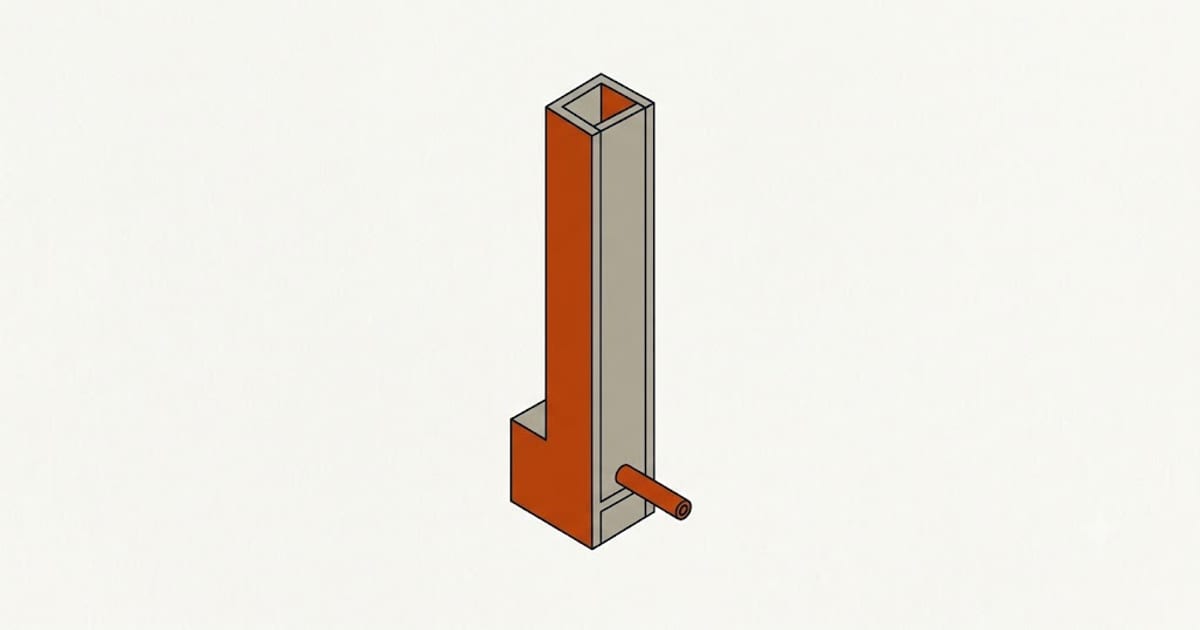
In a great many older houses, an 80% furnace and a gas water heater share one masonry chimney, and the chimney was sized for the two of them together.
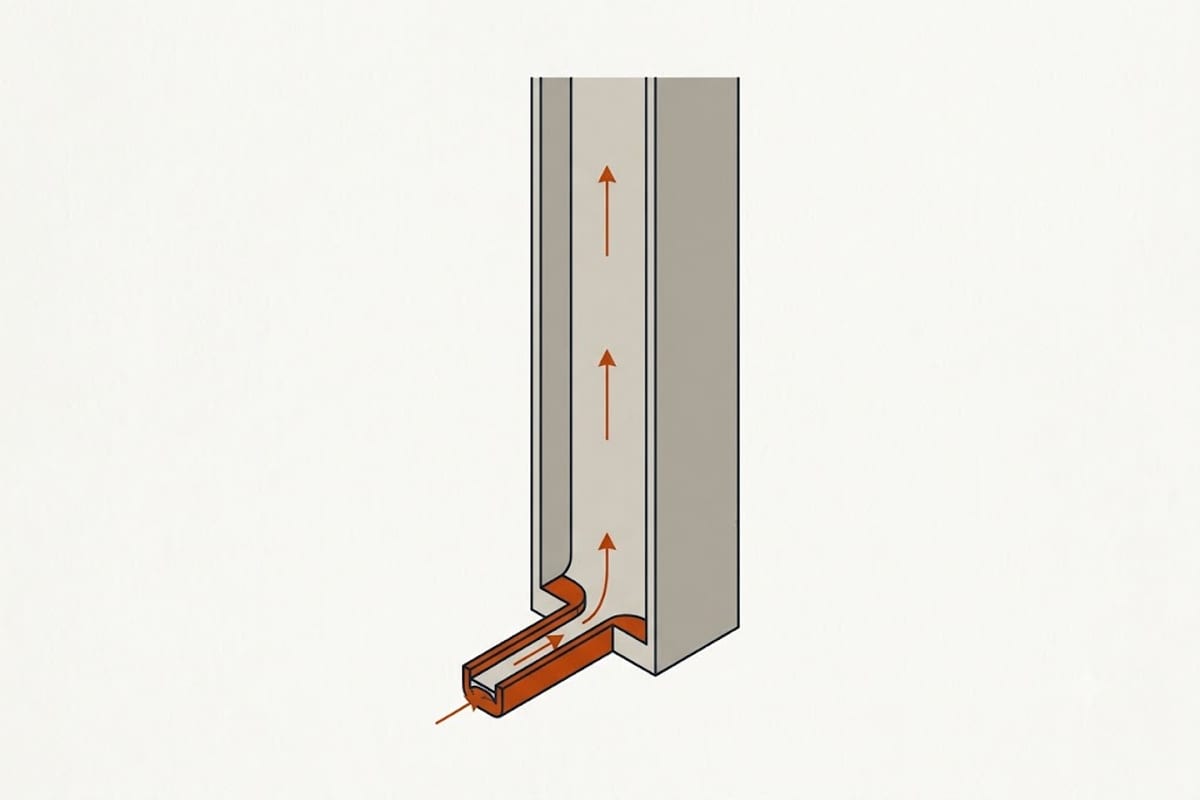
What changes
Replace the furnace with a condensing model and it vents in plastic out the wall. The chimney now carries only the water heater's exhaust.
Two things follow. The flue is far larger than the remaining appliance needs, and it no longer receives the furnace's hot exhaust that used to keep it warm.
The consequences
Poor draft. A chimney works on buoyancy. A cold, oversized flue with a small amount of exhaust in it may not develop enough draft to reliably carry that exhaust away.
Condensation. Exhaust that cools below its dew point inside the flue deposits acidic moisture on the masonry, which over a few seasons deteriorates the mortar and the liner and can produce staining and spalling on the exterior.
Backdrafting. In the worst case, exhaust spills into the house instead of rising — a carbon monoxide risk, and one that is worse in a house that has also been air-sealed.
The remedies
Reline the chimney to a diameter appropriate for the water heater alone, usually with an appropriately sized listed metal liner. The most common fix and a straightforward one.
Replace the water heater with a power-vented or direct-vent model that vents through the wall, abandoning the chimney entirely.
Replace it with a tankless unit, which vents in plastic like the furnace and can share a wall penetration arrangement.
Convert the water heater to electric or heat pump, which removes the venting question altogether — and a heat pump water heater is efficient enough to be worth considering on its own merits.
Why it matters that this is on the quote
Relining a chimney or replacing a water heater is a real cost, and it is a direct consequence of the furnace decision.
A quote for a 96% furnace that does not mention the shared chimney has either not looked or has left the item to be discovered later. Either way the eventual total is higher than the number on the page.
Comparing an 80% quote against a 96% quote is not meaningful until this line appears on the second one.
How to tell whether it applies
Look at the chimney in the basement or utility area. If two flue pipes enter it — one from the furnace and one from the water heater — the situation applies.
If the water heater already vents out a wall with a fan, or is electric, it does not.
Combustion safety after the change
Any work that changes the venting or the air tightness of a house with atmospheric appliances warrants a combustion safety test: a worst-case depressurisation test with exhaust fans running, checking that the water heater still drafts properly.
This is standard practice in the energy retrofit trade and less so in HVAC replacement. It is worth asking for, and it is the direct check on the failure mode that matters most.
Carbon monoxide alarms
Regardless of what is done to the chimney, a house with any combustion appliance should have working CO alarms on every level and near the sleeping areas.
They are inexpensive, and they are the layer that does not depend on the venting having been thought through correctly.
The same question on a fireplace
A masonry chimney that also serves a fireplace is usually a separate flue and is not affected.
Where a fireplace and an appliance share one flue, which is not permitted under current codes but exists in older houses, the furnace replacement is the moment to correct it rather than to preserve it.
Doing it in the right order
If the water heater is itself near the end of its life, replacing both appliances at once is usually cheaper than relining a chimney and then abandoning it two years later when the water heater fails.
Ask how old the water heater is before deciding between relining and replacing. A twelve-year-old tank is not worth a new liner.