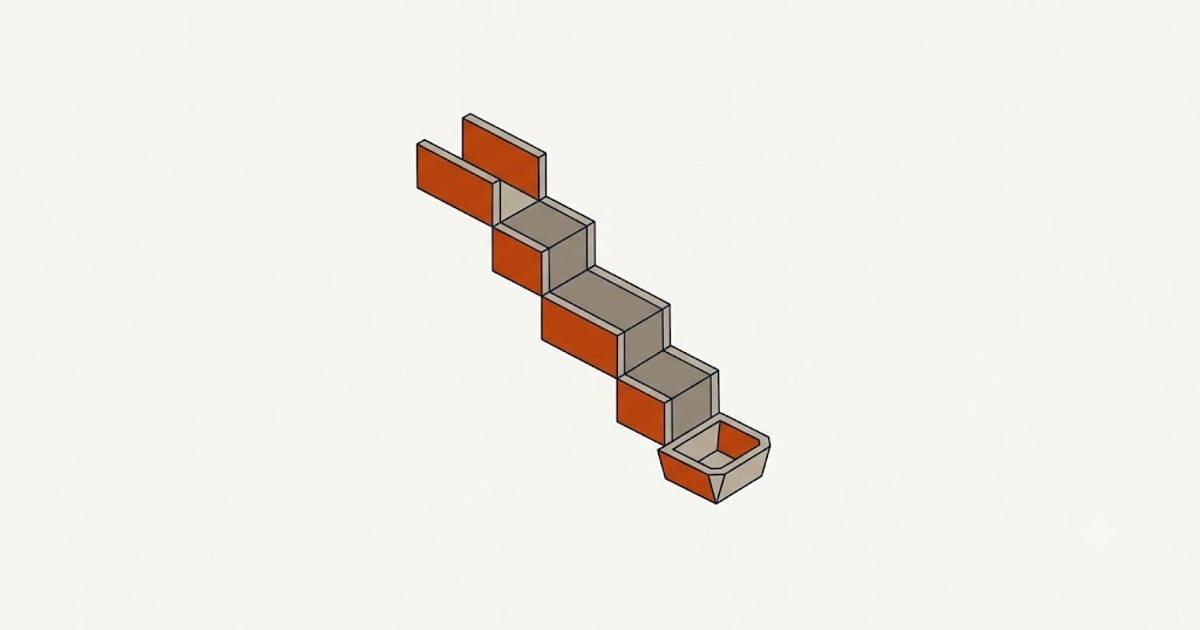
A condensing furnace extracts so much heat from its exhaust that the water vapour in it condenses. That water has to go somewhere, and in cold weather it can amount to several gallons a day.
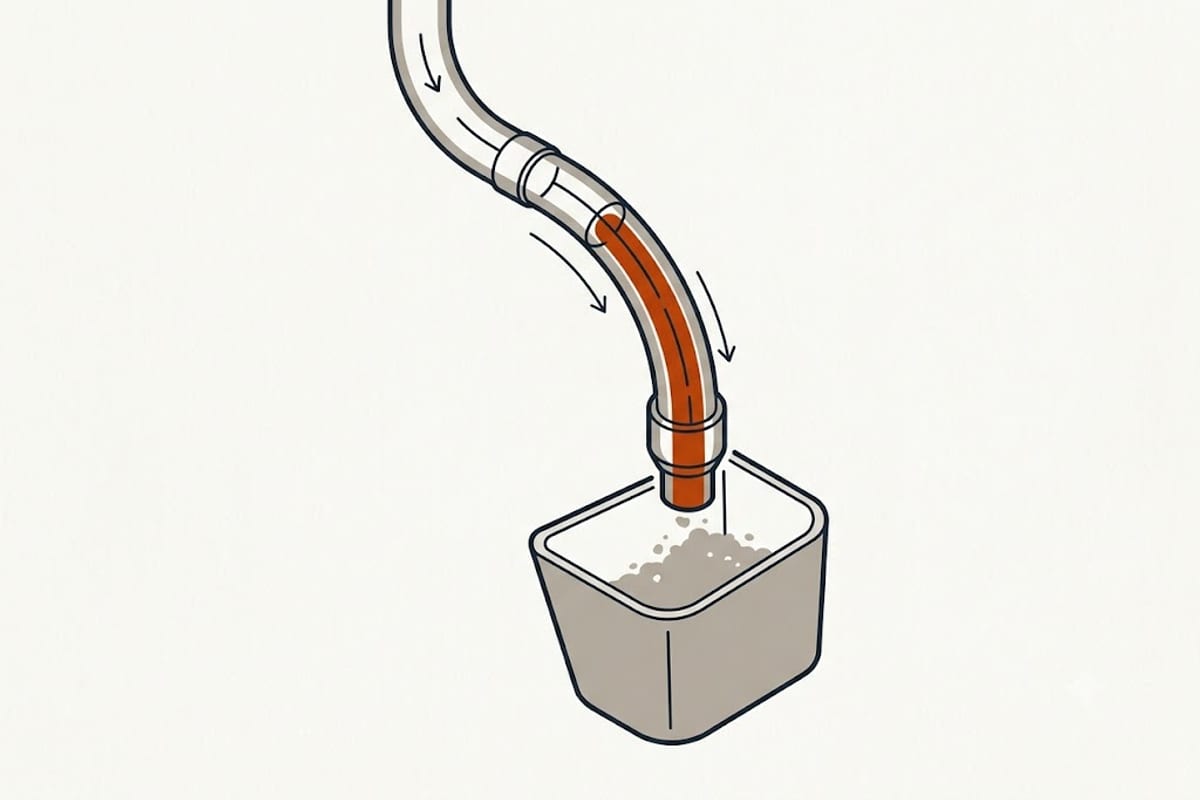
What the water is like
It is acidic, typically around pH 3 to 5, because it carries dissolved products of combustion.
That is why it must not be discharged onto a lawn, into a septic system in some jurisdictions, or through cast iron or certain metal drain lines without treatment.
A neutraliser — a small canister of limestone or magnesium oxide chips — raises the pH before discharge. Where one is fitted, the media is consumable and needs replacing periodically, which is a maintenance item that is almost never done.
The trap
A trap in the condensate line prevents exhaust gas from escaping through the drain.
It fills with water in normal operation, and it collects debris. A blocked trap backs water up into the furnace, which trips a pressure or float switch and locks the unit out.
Two things cause it: sediment and biological growth in the standing water, and a trap that was never primed at installation.
The freeze
A condensate line run through an unheated garage, crawl space or an exterior wall will freeze in cold weather.
The furnace then locks out — reliably on the coldest night of the year, which is when it produces the most condensate and when the line is coldest.
The remedies are routing the line inside the thermal envelope, insulating it, or heat tape. Routing it correctly at installation costs nothing extra and is the difference between a system that works every winter and one that does not.
The pump
Where the drain is above the furnace — a basement installation with no gravity drain — a small condensate pump lifts the water to a sink or a stack.
Pumps fail. They have a float switch, a small motor and a check valve, all of which are consumables in acidic water.
Most furnaces are wired so a pump failure triggers a safety switch and shuts the furnace down rather than letting water overflow, and that safety wiring is sometimes omitted. It is worth confirming that it is connected, because the alternative is water on the floor.
The symptoms
Furnace locks out and restarts intermittently in cold weather, with no other pattern.
Water around the base of the furnace.
A gurgling sound from the trap area.
The unit runs in mild weather and stops in severe weather, which is the signature of a line that freezes.
What to check
The trap and the line, once a year, before the heating season. Flushing the trap and the line takes a few minutes.
The neutraliser media, if fitted, for exhaustion.
The pump, by pouring a cup of water into its reservoir and confirming it runs and that the discharge line is clear.
The line's route, for any section passing through unheated space.
What to specify at installation
Route inside the thermal envelope. A neutraliser where the drain material or local requirements call for one. A pump with its safety switch wired, if a pump is needed. And a line with a consistent fall and no sag.
None of these costs much on a new installation, and each of them is the reason for a service call in January if it was skipped.
The air conditioner shares the problem
In summer the same furnace cabinet houses the evaporator coil, which produces its own condensate — often considerably more than the furnace does in winter.
That drain has the same failure modes: a clogged trap, an algae-blocked line, a failed pump. On an attic installation it also needs a secondary drain pan with a float switch, because the alternative to a working drain is a ceiling.
A single blocked line therefore causes a no-heat call in January and a water-damage call in July, which is why it is worth flushing twice a year rather than once.
Flushing it yourself
With the power off, the trap can usually be removed by hand, emptied and rinsed. The line can be flushed with warm water, and a wet vacuum applied at the outdoor or drain end clears most blockages.
Bleach is commonly recommended and is worth avoiding on a furnace condensate line, since it attacks some materials and the water is already acidic.