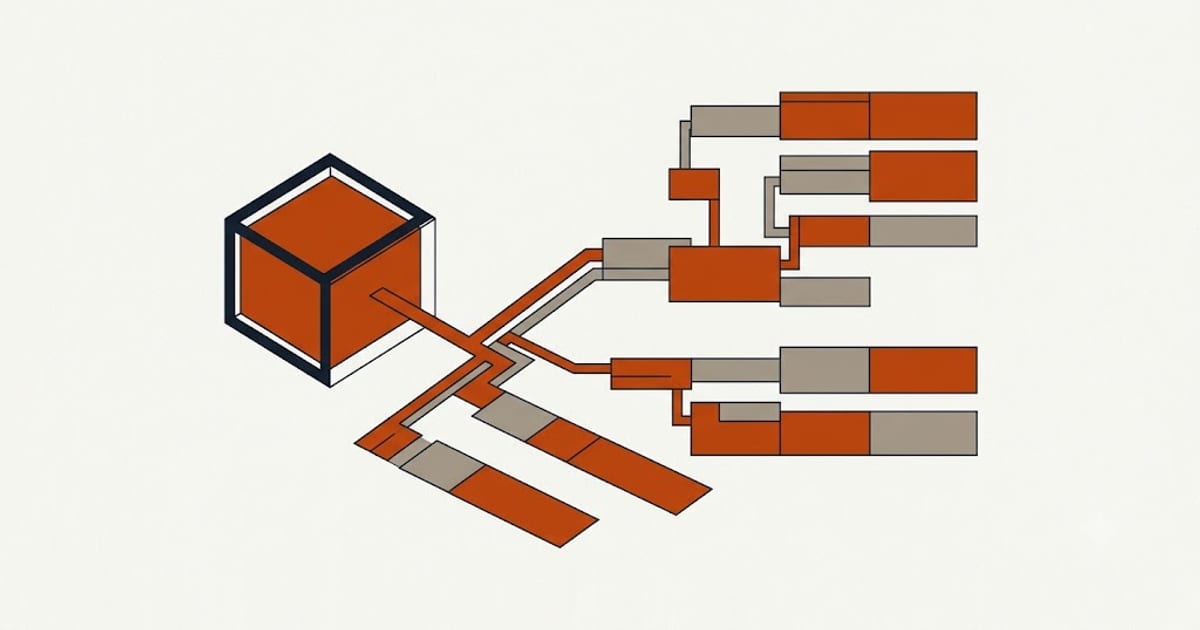
A furnace is selected on paper. The duct system it connects to was built for a different furnace, often decades ago, and frequently before central air conditioning existed in the house.
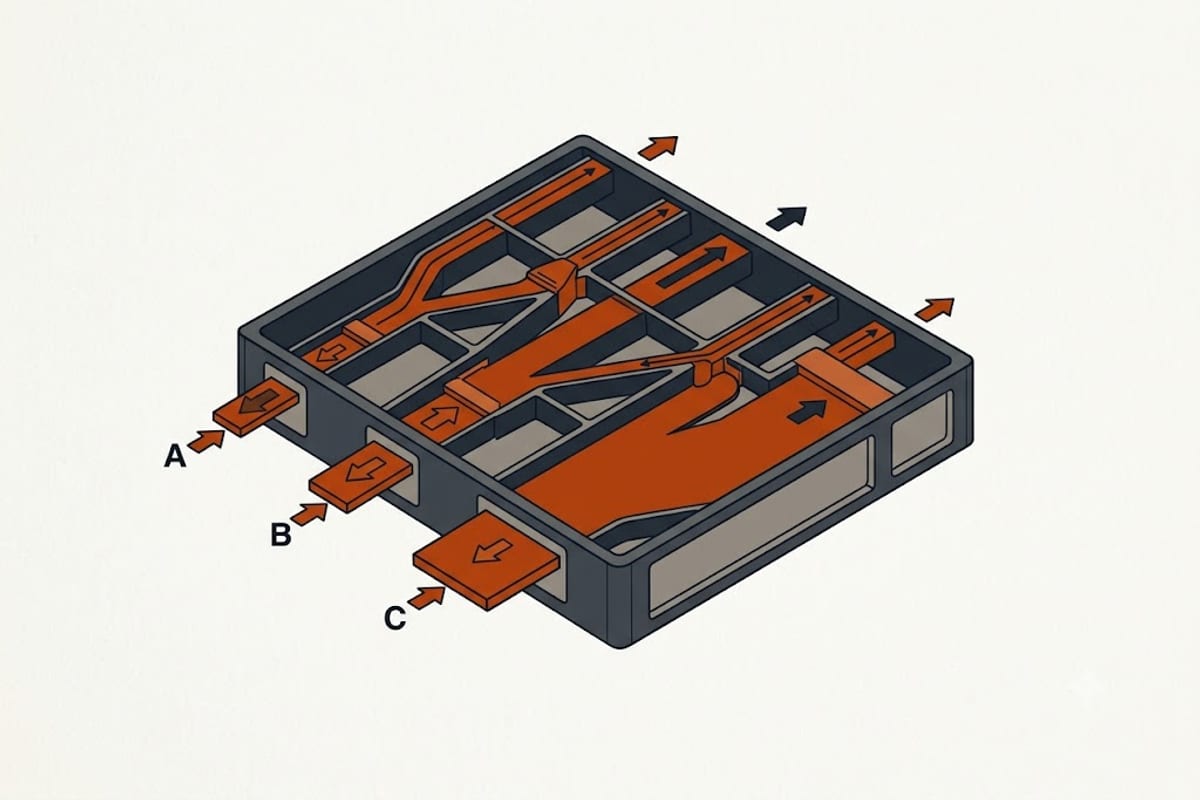
The constraint
Residential equipment is designed to work against a total external static pressure of about 0.5 inches of water column.
Field measurements routinely find existing systems at 0.8 to 1.2. The blower cannot deliver design airflow against that, so the furnace cannot deliver its rated output to the house and the temperature rise climbs above the nameplate range.
Where the restriction usually is
The return side, more often than the supply. Returns were historically sized generously less carefully, and many older houses have a single central return sized for a smaller blower.
The filter. A dense one-inch filter in a slot sized for a cheap one can account for a large share of the total.
The plenum transitions, especially where a new furnace of different cabinet width was fitted to an old plenum with an abrupt reducer.
Undersized trunk or branch runs, particularly where central air was added later without resizing anything.
Crushed or kinked flex in an attic or crawl.
Why cooling made it worse
A furnace moves air to distribute heat. An air conditioner needs a specific airflow — around 400 CFM per ton — to work at all.
Many houses had ducts sized for heating only, then had cooling added to the same ducts. The result is a system that heats acceptably and cools poorly, and a blower struggling against a duct system that was never intended to carry that much air.
What it means for equipment selection
A larger furnace does not help. More BTU into a restricted duct system produces a higher temperature rise and more high-limit trips, not more heat in the far rooms.
A constant-airflow ECM will compensate, up to a point, by working harder — which converts the problem into an electricity bill rather than a comfort complaint, and does not fix it.
A two-stage or modulating furnace helps genuinely, because it runs longer at lower output and lower airflow, which the duct system can carry.
The measurement
Static pressure across the air handler, taken with a manometer, before and after the furnace, with a clean filter and all registers open.
It takes a technician a few minutes, and it is the number that tells you whether the ducts are the constraint. It is also, notably, not on most replacement quotes.
What can be done
Add return area. Frequently the highest-value change and often not expensive — a second return, or a larger grille on the existing one.
Change the filter arrangement to a four- or five-inch media cabinet, which has far more area and far less pressure drop at the same filtration rating.
Correct the plenum transitions at the furnace.
Seal the ducts, which does not reduce static pressure but does mean the air that is moved reaches the rooms.
Resize the worst runs, which is the expensive option and occasionally the only one.
The right moment
All of it is cheapest while the furnace is out and the plenum is open.
A quote that includes duct correction is not more expensive for the same job; it is a different and more complete job. And it is the item most likely to determine whether the new furnace performs the way the brochure describes.
What to ask for
Measured static pressure before the work, the same measurement after, and the temperature rise compared against the nameplate range.
Three numbers on the handover sheet, and they say more about the installation than the model number does.