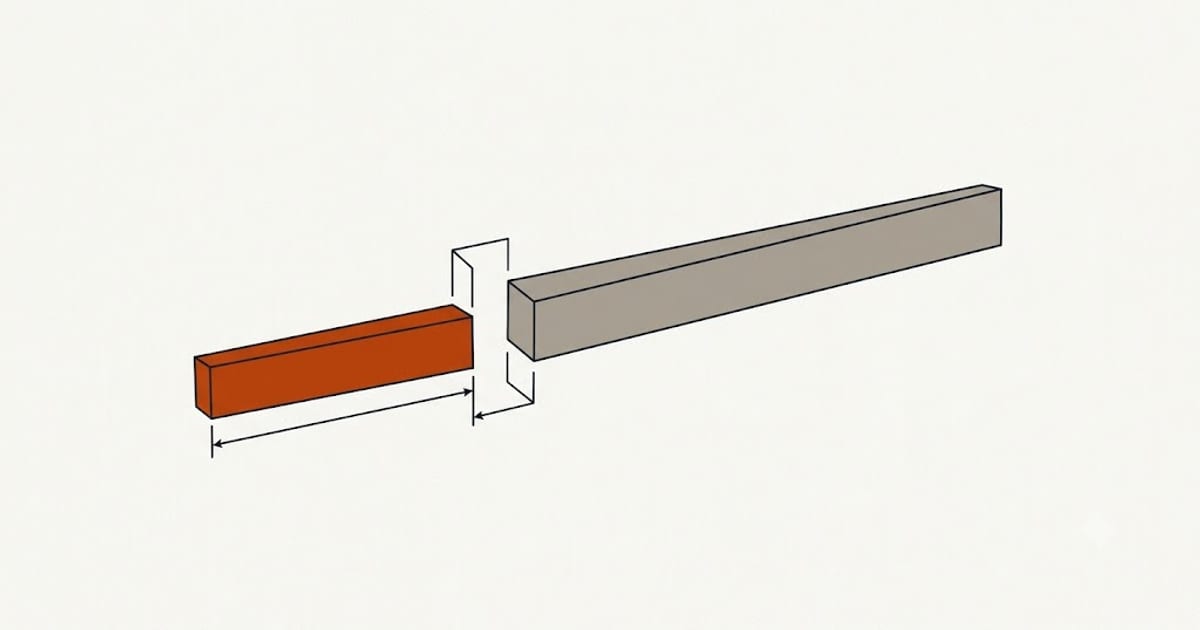
Every gas furnace carries a temperature rise range on its rating plate, typically something like 40–70°F or 35–65°F.
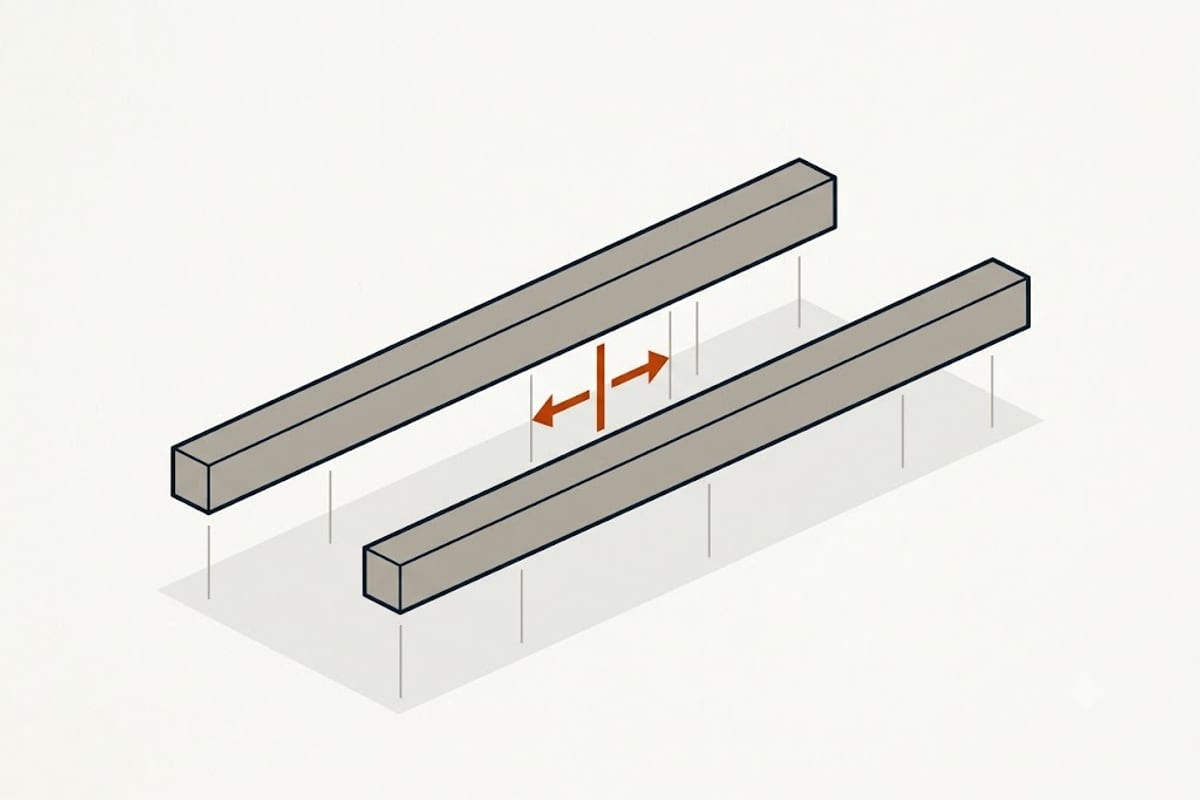
What it means
Temperature rise is the difference between the return air entering the furnace and the supply air leaving it.
It is set by two things: how much heat the burner produces, and how much air the blower moves through it. The manufacturer specifies the range within which the heat exchanger is properly cooled and the furnace operates as designed.
Measuring it
Two thermometers, or one moved between two points.
Take the return temperature in the return duct near the furnace, and the supply temperature in the supply plenum far enough downstream to be past any radiant heat from the heat exchanger — usually past the first elbow.
Run the furnace for ten minutes first so it reaches steady state. Subtract.
Reading the result
Within the range — the furnace and the blower are matched to each other.
Above the range — not enough airflow. The heat exchanger runs hotter than designed, which shortens its life and can trip the high limit switch. Causes: dirty filter, restrictive filter, undersized or blocked ducts, closed registers, blower speed set too low, dirty blower wheel.
Below the range — too much airflow, or the burner is underfiring. The house gets lukewarm air, which feels drafty even while the furnace is running.
Why too high is the serious one
Repeated high-limit trips are hard on the heat exchanger, and a cracked heat exchanger is the failure that ends a furnace and creates a combustion safety concern.
A furnace running above its rise range for years is being damaged, and the cause is very often something as simple as a filter that was never suited to the equipment.
The filter problem
High-MERV filters are worth having, and a dense filter in a slot sized for a cheap one adds substantial resistance.
The correct answer is more filter area — a deeper media cabinet — rather than a less effective filter. Four-inch and five-inch media filters have far more surface area and far less pressure drop than a one-inch filter of the same rating.
If the temperature rise is at the top of the range with a clean filter, the filter arrangement is the first thing to look at.
Gas pressure
The other half of the setup. Manifold pressure is measured with a manometer and set to the manufacturer's specification for the fuel — natural gas and propane have different requirements, and a furnace converted between them needs the correct orifices and pressure.
Overfiring raises the temperature rise and stresses the heat exchanger. Underfiring wastes the capacity that was paid for. Neither is visible without a gauge.
Altitude
Above roughly 2,000 feet, furnaces require derating, and manufacturers publish the adjustment.
A furnace installed at altitude without derating overfires, which shows up as a temperature rise above the range and a heat exchanger working harder than it should.
What to ask after an installation
The measured temperature rise with the nameplate range beside it, the measured manifold gas pressure with the specification beside it, and the measured static pressure.
Three numbers, five minutes of work, and they are the difference between a furnace that lasts its expected life and one that does not.
Checking it yourself later
The temperature rise is the one measurement a homeowner can repeat without tools beyond two thermometers.
Taking it once a year, with a clean filter, gives an early warning of a developing airflow restriction long before the furnace starts short cycling on the high limit.