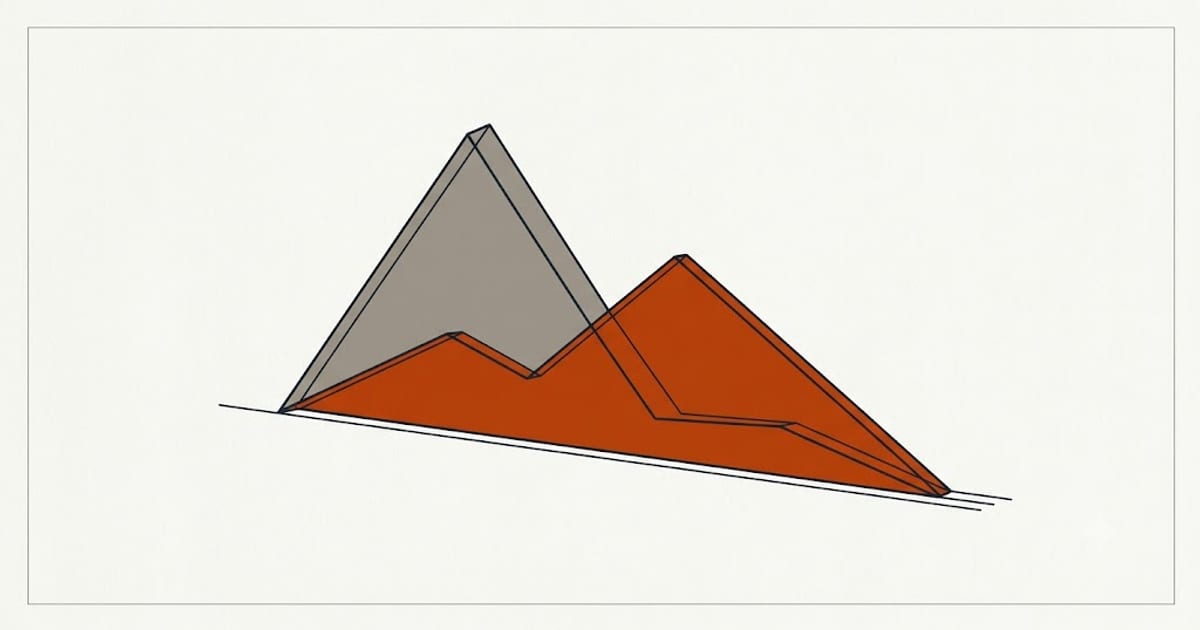
You paid for a 96% AFUE furnace to replace an 80% one, and the gas bill is higher than last year. Before blaming the equipment, run one comparison — it resolves about half of these cases outright.
Compare therms per degree day, not dollars
Two things changed at once: the furnace, and the winter. Dollars against dollars measures both plus the gas price.
Find on the bill:
- therms used (not dollars), and
- heating degree days for the period — most utilities print this, and it is the standard measure of how cold the month was.
Divide. Do it for the same month last year.
Therms ÷ degree days is the honest number. If it fell, the furnace is doing its job and the winter was colder or gas got dearer. If it rose, something else changed.
1. The furnace is oversized now
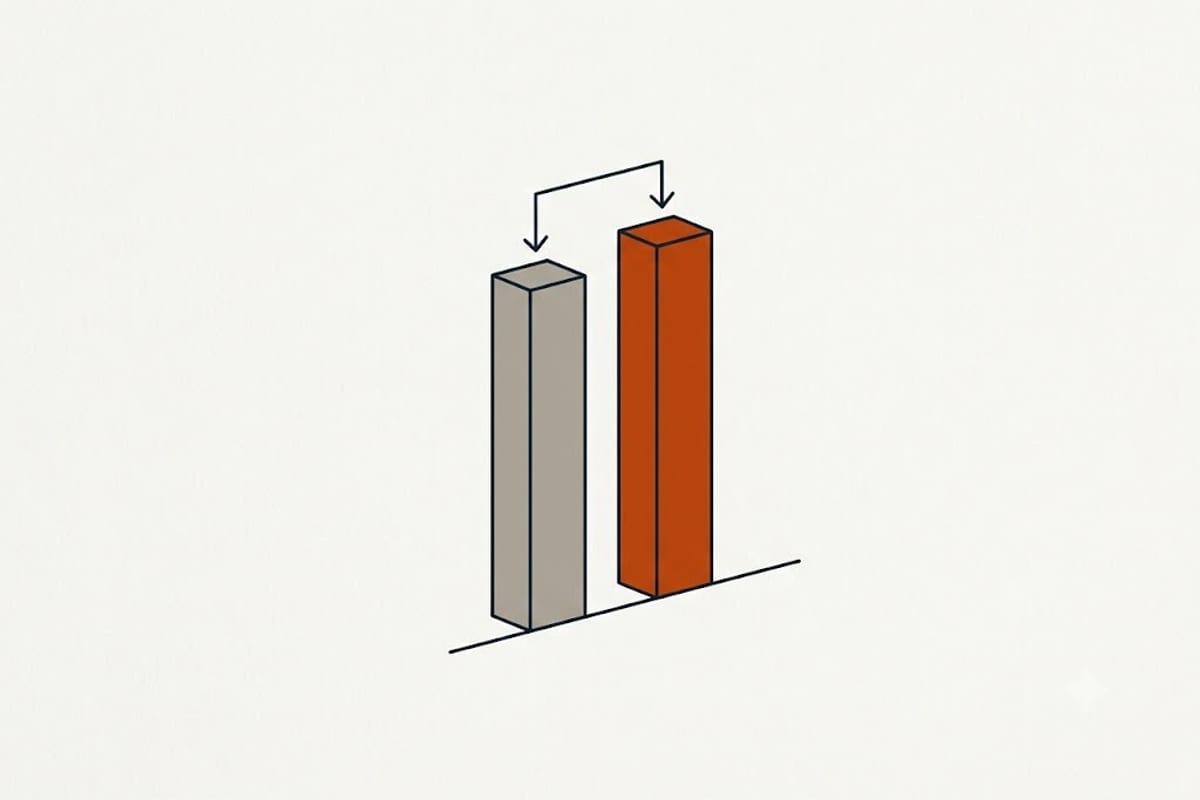
The most common real cause, and it comes from the upgrade itself. An old 100,000 BTU furnace at 80% delivered 80,000 BTU. A new 100,000 BTU unit at 96% delivers 96,000 — twenty percent more heat from the same nominal size.
The result is short cycling, and a furnace is at its least efficient in the first minutes of each cycle, before the heat exchanger reaches temperature. A badly oversized 96% unit can deliver worse real-world efficiency than a correctly sized 80% one, which is exactly the outcome that feels impossible on paper.
2. The thermostat changed with the furnace
New installations usually include a new thermostat, and new thermostats behave differently. A programmable one that was never programmed holds the house at the comfort temperature 24 hours a day, where the old one had setbacks. A smart thermostat with "early start" begins heating an hour before the scheduled time.
Check the schedule. This is a surprisingly large share of these complaints.
3. The house is warmer than it used to be
An older furnace that was struggling never quite reached setpoint on cold days. The new one does. The thermostat says 70 in both cases, but the house is genuinely holding 70 now instead of drifting to 67 — and each degree costs roughly 3% of the heating bill.
That is the upgrade working, being experienced as a problem.
4. The rate changed
Gas commodity prices move a great deal year to year, and utilities also adjust delivery charges. The bill is therms × rate, and only the therms are about your furnace. Look for the per-therm figure on both bills before concluding anything.
5. The blower is running more
Many new furnaces have an ECM blower configured for continuous circulation, which is excellent for even temperatures and filtration. It uses electricity, not gas — so if the electric bill rose while gas stayed flat, this is it.
What to check on the furnace itself
Is it two-stage, and is the low stage enabled? Many are, and installers sometimes leave them configured for single-stage. Low stage typically runs at 60–70% of capacity, which largely cancels an oversizing problem.
What is the actual firing rate? A technician can clock the gas meter and confirm the furnace is firing at its rated input rather than over it. Overfiring is uncommon but it happens, particularly after an orifice or manifold pressure adjustment.
Is the duct static pressure reasonable? A strangled system makes the blower work harder and lengthens run times.
When the answer is genuinely "the sizing was wrong"
If therms per degree day rose, the thermostat schedule is unchanged, and the furnace is single-stage and clearly larger than the calculated load, then the sizing is the answer — and there is no cheap fix.
The practical move is to enable low stage if it exists, lengthen the fan-off delay to extract residual heat, and get the size right at the next replacement. That is a twenty-year decision, so it is worth a Manual J the next time round rather than another round of matching whatever is on the wall.